
Don’t Panic!
So, you've decided to homeschool.
First of all...take a deep breath.
Seriously.
If you're anything like I was when I first started, your brain is probably racing with questions.
What curriculum or supplies should I buy? Am I qualified to do this? What if I mess my kids up? What if they fall behind? How will I know they're learning enough?
Those questions are completely normal. Nearly every homeschooling parent asks them at some point. The good news is this:
You don't have to have everything figured out today.
I created this website because I believe homeschooling can be something far more meaningful than simply doing school at home. It can become an opportunity to build deeper relationships with your children, cultivate their natural curiosity, and create a family culture where learning happens every day- not because someone assigned it, but because life itself is endlessly fascinating.
My goal isn't to convince you there's one "right" way to homeschool. In fact, it's quite the opposite. I want to help parents develop the confidence to trust themselves, trust their children, and begin seeing education through a different lens. Like water, every child moves at their own pace, follows their own path, and grows in ways that can't always be measured by checklists and standardized tests. Rather than forcing children into a rigid mold, we can learn to adapt to them, nurturing their interests while gently guiding them toward the knowledge and skills they'll need to thrive.
If I can help even a handful of families replace stress with curiosity and fear with confidence, then this website has accomplished exactly what I hoped it would.
A Different Way to Think About Homeschooling
If you're just getting started, here are a few perspective shifts I'd encourage you to practice.
1. Your job isn't to recreate school at home.
One of the biggest mistakes new homeschoolers make is believing they have to become a classroom teacher.
You don't.
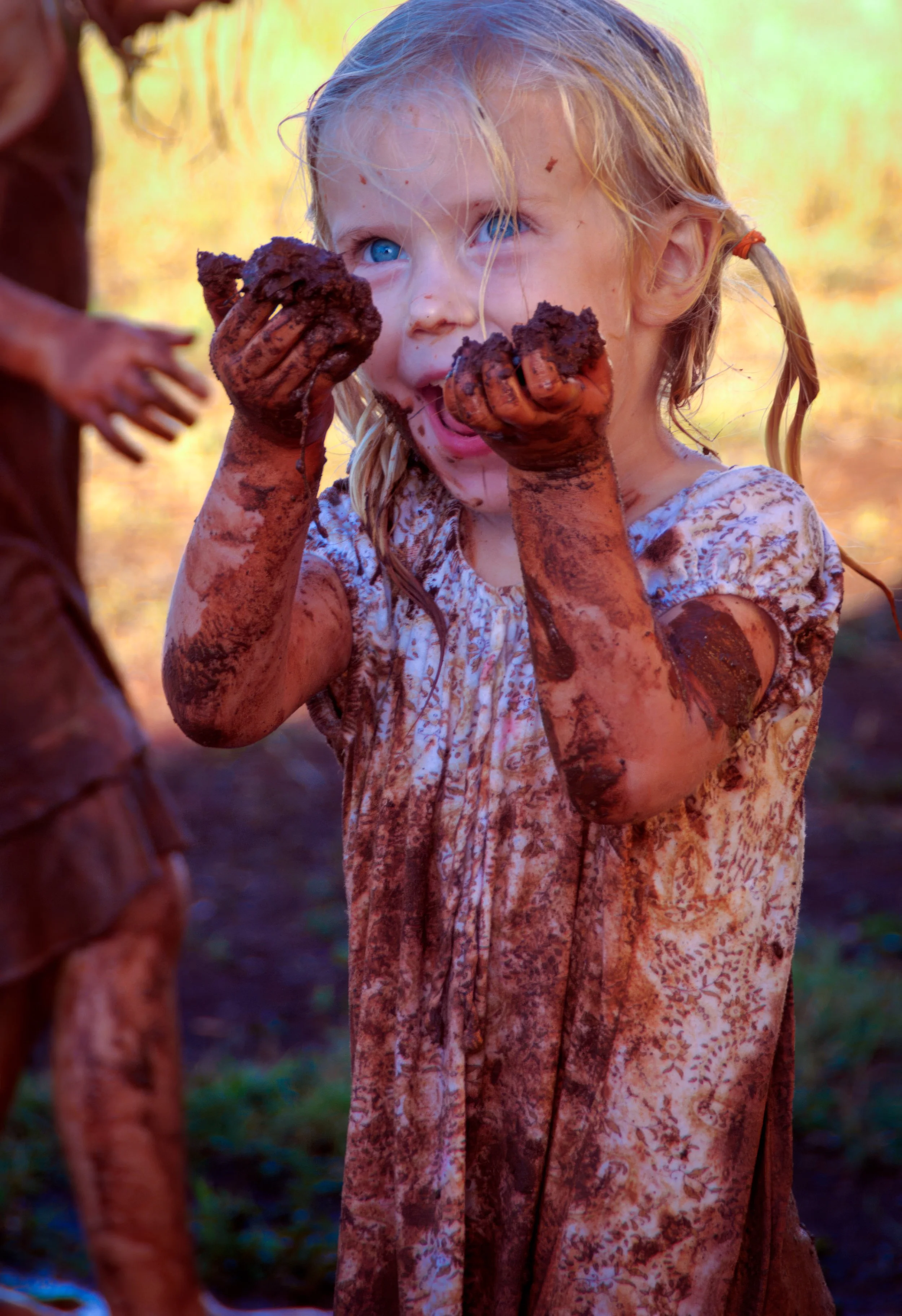
Your children don't need eight hours of worksheets, desks, bells, and lectures. They need opportunities to ask questions, explore, create, read, build, play, make mistakes, and discover.
Learning doesn't always happen at a desk. In fact, some of the richest learning happens everywhere else. You, as their parent, can help foster that culture and environment of curiosity and exploration.
2. Curiosity is more powerful than compliance.
Traditional schools often have to prioritize keeping dozens of students moving through the same material at the same pace. Homeschooling gives you the freedom to slow down and dive deep into a subject when something captures your child's imagination.
When children are genuinely curious, learning stops feeling like work.
Protect that curiosity. Feed it whenever you can.
3. Progress isn't always visible.
Some days will feel incredibly productive.
Other days will feel like nothing happened at all.
Don't let those days discourage you.
Children are constantly connecting ideas, developing emotionally, solving problems, and making sense of the world- even when it doesn't look like "school." Growth often happens beneath the surface long before it becomes visible.
One Last Thought...
You don't need to become the perfect homeschooling parent overnight.
You only need to be willing to keep learning alongside your children.
That's what this blog is about.
I'll be sharing practical ideas, parenting tips, books, articles, encouragement, and different ways of thinking about education that helped me find more joy and confidence in homeschooling.
Take a deep breath.
You're going to be okay.
And so are your kids.